Logistics
What makes a “good” pricing model?
- It has to be simple to understand
- Customers are willing to pay it
- It has a logical or reasonable story attached to it (which may or may not be true)
- It can be contextualized with related products that have established a price
- You can make an argument that your business will grow and profit with that pricing model
How do you “test” a price?
- A price and a pricing model are hypotheses!
- Ultimately, that customers are paying it
- Ask possible customers to react to it
- Find related or competing products that use a similar model
- Develop a rationale that makes sense to the Customers
Pricing Models
Why is this? Does it make sense? The price of this steak is ridiculous! $42 for 12oz of Filet Mignon? My butcher charges me $12 per pound. What a ripoff!
Real World
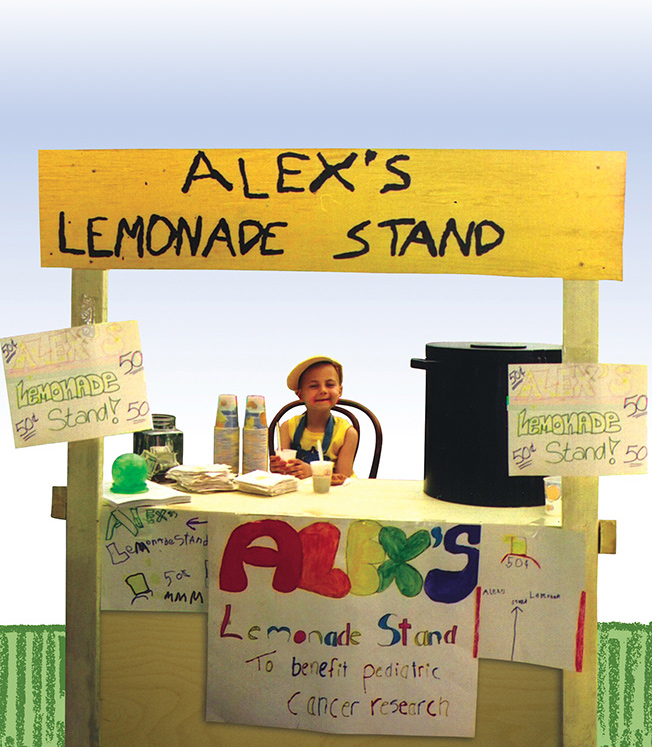
Exercise
- Teams work together; about 10-20 minutes
- You are a 10 year old entrepreneur running a neighborhood lemonade stand.
- Not the one from the pictures above but a very smart kid wanting to make a lot of money
- You want to make some money doing this. What are some models that you could put in place?
Here are some examples
- Charge 25 cents for a small, and $1.00 for a large lemonade
- Have a club like Amazon Prime that gives you a discount on each glass
- Have a subscription like Netflix giving all the lemonade you can handle
- There are many other possibilities.
- Think out of the box!!
Work with your team on the following:
- Come up with many variants of pricing models as you can
- Try to come up with a classification of those models, in other words look for the patterns
- for example: what is being charged for?
- What is free?
- Who is paying
- who is getting something for free
- what costs are fixed and which ones are variable, and so on.
Pricing
How would you test a pricing model?
- “What would you pay for this?”
- “Would you buy this for $20?”
- “How much do you think this is worth?”
- “What’s the most you’d pay?”
Freemium vs. Free Trial
- Play on words with “Premium” and “Free”
- Freemium:
- Base product is free
- Has some limitations
- Pay for “full product”
- Tiers of “full product”
- Contrast with “free trial”:
- Full product
- Can use it only for limited time (e.g. 1 week)
Discussion: When is freemium more or less appropriate than free trial?
Discussion about “our” products
- Each team come up with at last TWO distinct pricing models for your product.
- Take 15 minutes. Consider:
- Will the model “make sense” to the buyer?
- Will they be willing to pay it?
- Is the pricing anchored with any other prices or expectations?
- Present them to class
- How it fits into the financial model
Thank you. Questions? (random Image from picsum.photos)